Stop Guessing Your Macros: A Better Nutrition Tracking Approach for Athletes
Most athletes do not fail because they lack discipline. They fail because food intake is not measurable. Macro awareness gives context to your training results and turns "I think I ate well" into clear decisions.

Key Takeaways
- Start small: Track calories and protein first. Add carb/fat detail after the habit is stable.
- Aim for consistency, not perfection: Hitting targets on most days beats perfect tracking for one week.
- Use trend data: Adjust from 2-week bodyweight and performance trends, not single-day scale changes.
Why Most Tracking Fails (And How to Fix It)
Tracking usually breaks for one reason: too much friction. If logging requires searching every food item and typing each meal from scratch, adherence falls quickly.
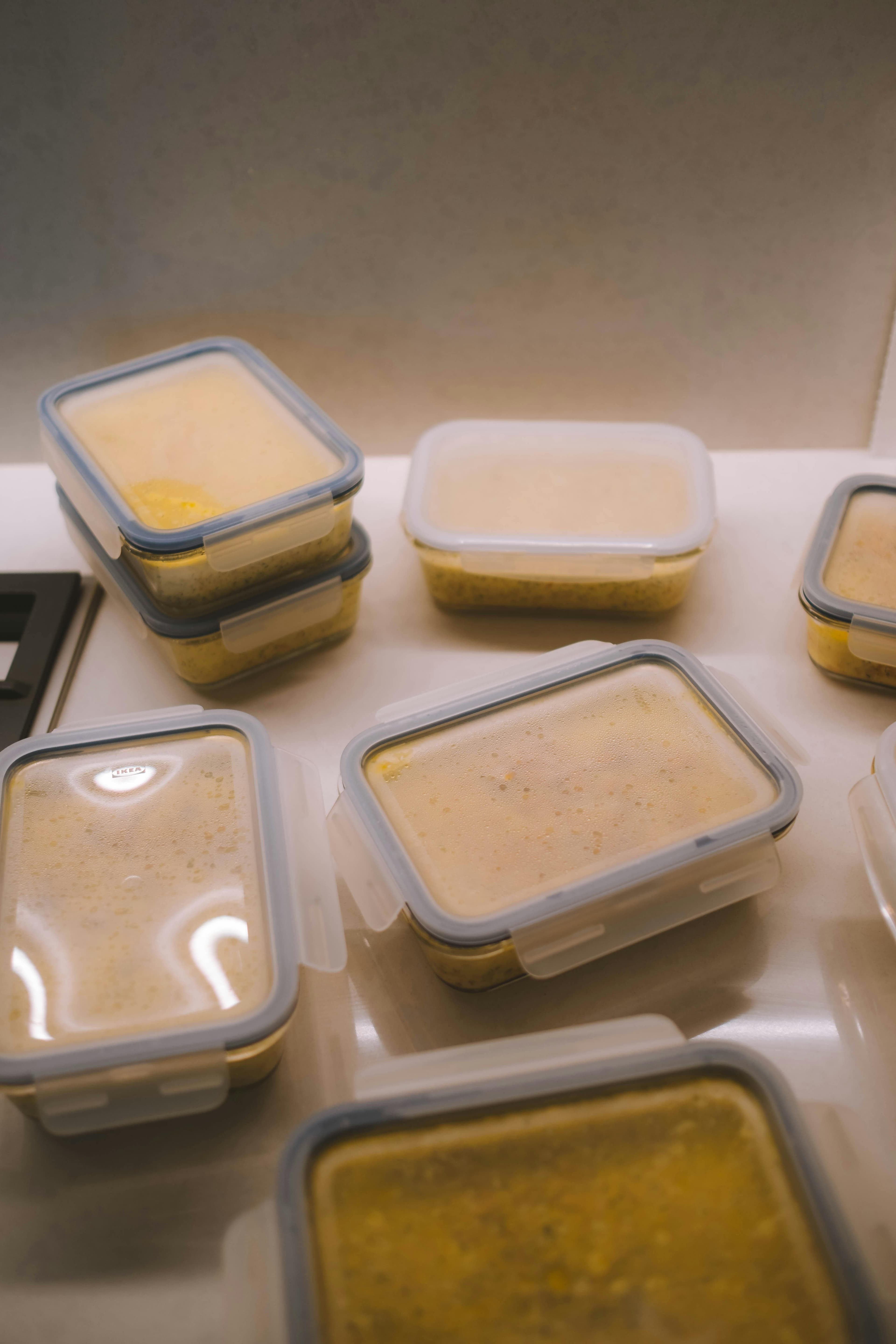
The practical fix is to make repeat meals easy to log and use rough portion consistency instead of chasing perfect numbers.

A Low-Friction Tracking System That Works
Keep the system simple enough to use during busy workdays, travel, and low-motivation periods. That is where real adherence is built.
Create 8-12 Default Meals
Build a personal meal library and rotate those meals during the week. Fewer decisions means higher consistency.
Review Weekly, Not Daily
Use 7-day average bodyweight and training quality notes. Single days are noisy; weekly trends are actionable.
Use Small Adjustments
If progress stalls for 2 weeks with good adherence, adjust by about 100-200 kcal and reassess.
2 metrics
Start with calories + protein
7 days
Use weekly averages, not daily noise
100-200 kcal
Typical adjustment size
It Is Not About Perfection. It Is About Repeatability.
Athletes who make progress do not execute perfectly every day. They return quickly after imperfect days and keep the baseline habit alive.
The most useful target is often 80-90% adherence across the week, not 100% every day.
Use Accountability on Hard Weeks
Shared check-ins, coach reviews, or weekly self-reviews make nutrition consistency easier to sustain.


FAQ: Macro Tracking for Athletes
How accurate does tracking need to be?
You do not need lab precision. Consistent portioning and regular logging are enough for most athletes to make reliable adjustments.
What should I track first if I am overwhelmed?
Start with calories and protein for 2-3 weeks. Then layer carb/fat details if your goal requires finer control.
Bottom Line
Stop guessing and start measuring. A simple tracking system gives you the feedback loop needed to turn hard training into predictable progress.